Close-Quarters Security & Self-Defense Training for Transport Crew
Specialized self-defense and security training for aviation, rail, and maritime crew. Delivered by military-trained instructors across Europe and worldwide.
Security Training for the People Who Keep Transport Moving
01
Aviation
Self-defense and security response training for cabin crew and pilots, aligned with EU aviation security training requirements.
02
Rail & Transit
De-escalation and physical response training for conductors, station staff, and onboard personnel facing rising rates of passenger violence.
03
Maritime & Cruise
Security awareness and physical response training for ship's crew, going beyond baseline STCW compliance for the realities of extended, isolated voyages.
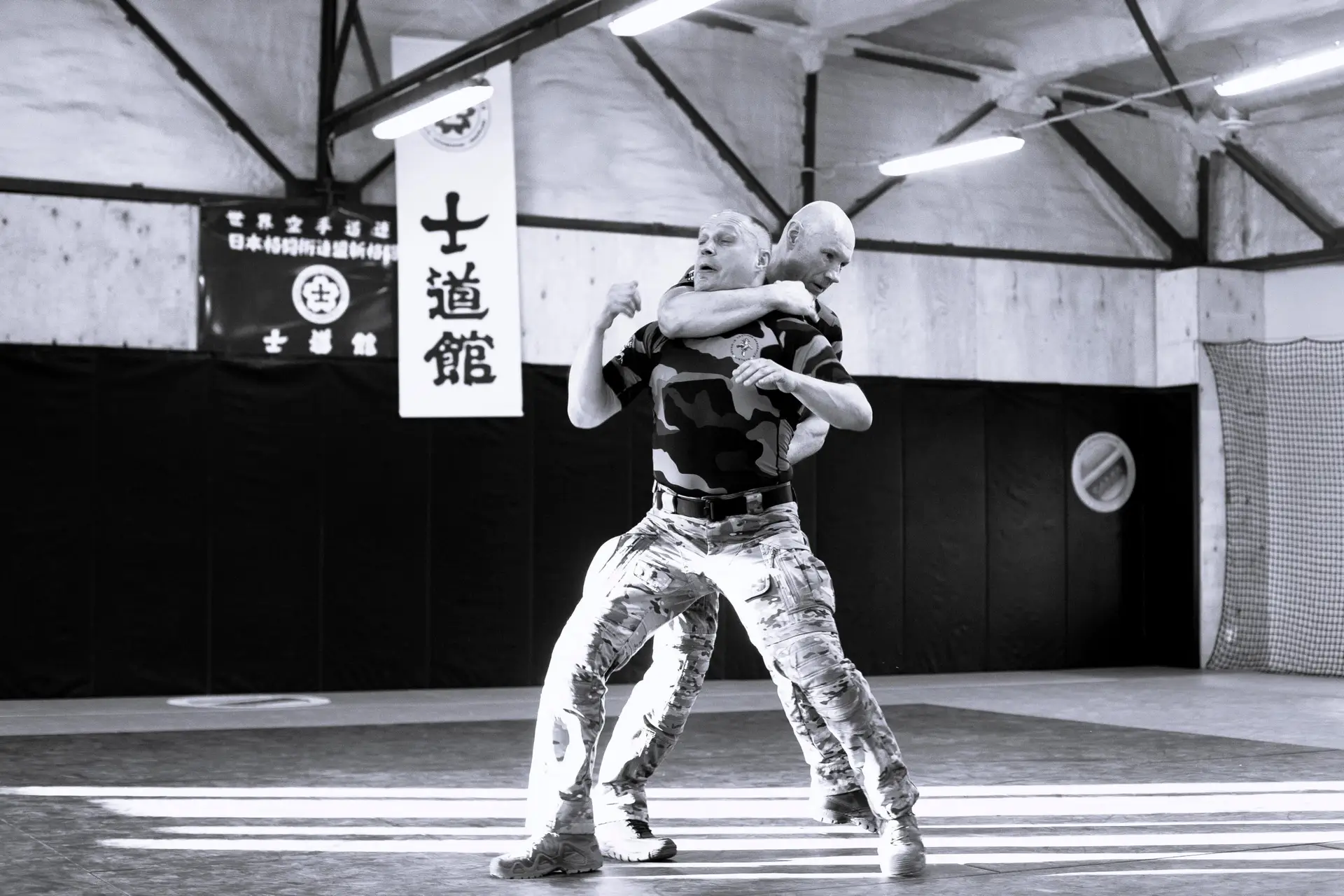
Cabin crew, train conductors, and ship’s crew share a working reality that most corporate security training was never designed for: confined space, direct and repeated contact with the public, and no immediate backup when a situation turns physical. Comtac delivers structured, close-quarters self-defense and security response training built specifically for these environments. Not adapted from a general combat sports curriculum, but designed around the operational constraints of an aircraft cabin, a train carriage, or a ship’s corridor.
Delivered where you are
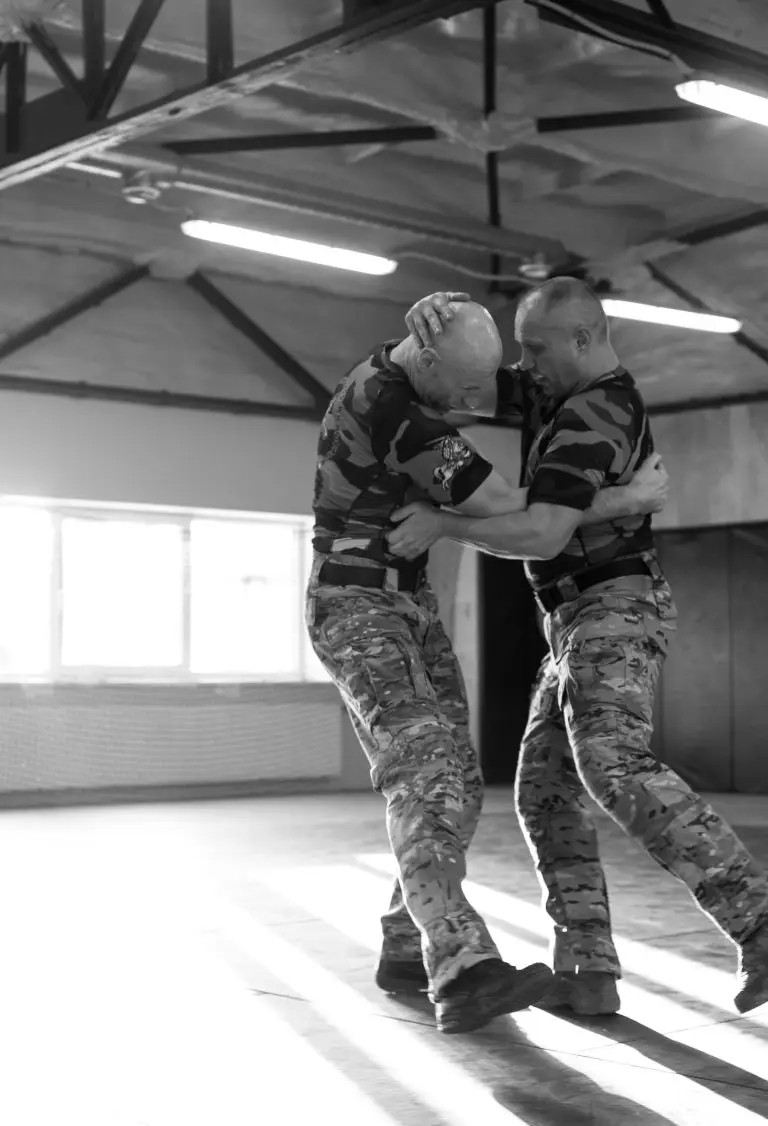
Aviation security training
Close-quarters self-defense and security training for airline cabin crew and pilots, delivered by SAVBOR-affiliated and Israeli Krav Maga (IKMA) instructors across Europe & worldwide.
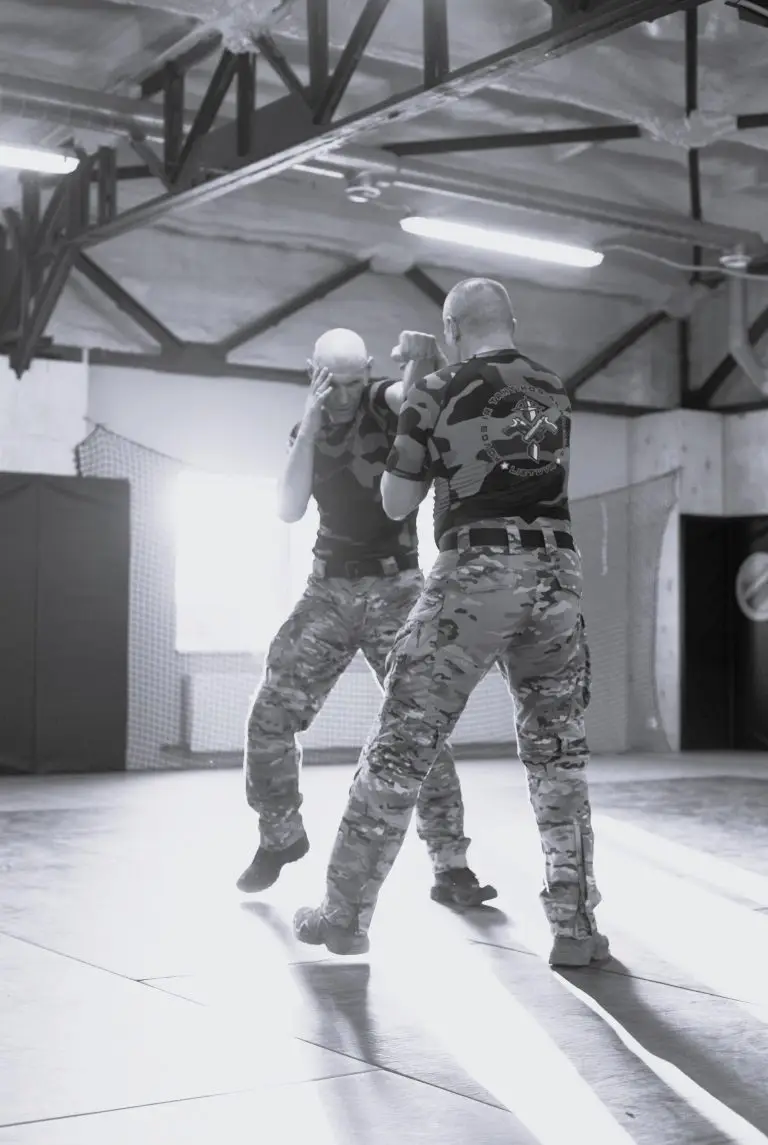
Rail & Transit security training
Specialized physical safety and de-escalation training for conductors, onboard staff, and station personnel. Delivered across Europe by military-trained instructors.

Maritime security training
Physical self-defense training for cruise and maritime crew, going beyond STCW security awareness requirements. Delivered at ports and training centres across Europe and worldwide.
We deliver on location at your training center, crew base, depot, or port, anywhere in Europe or at operator bases worldwide.
No requirement for your staff to travel to us.
Why generic self-defense training doesn't transfer
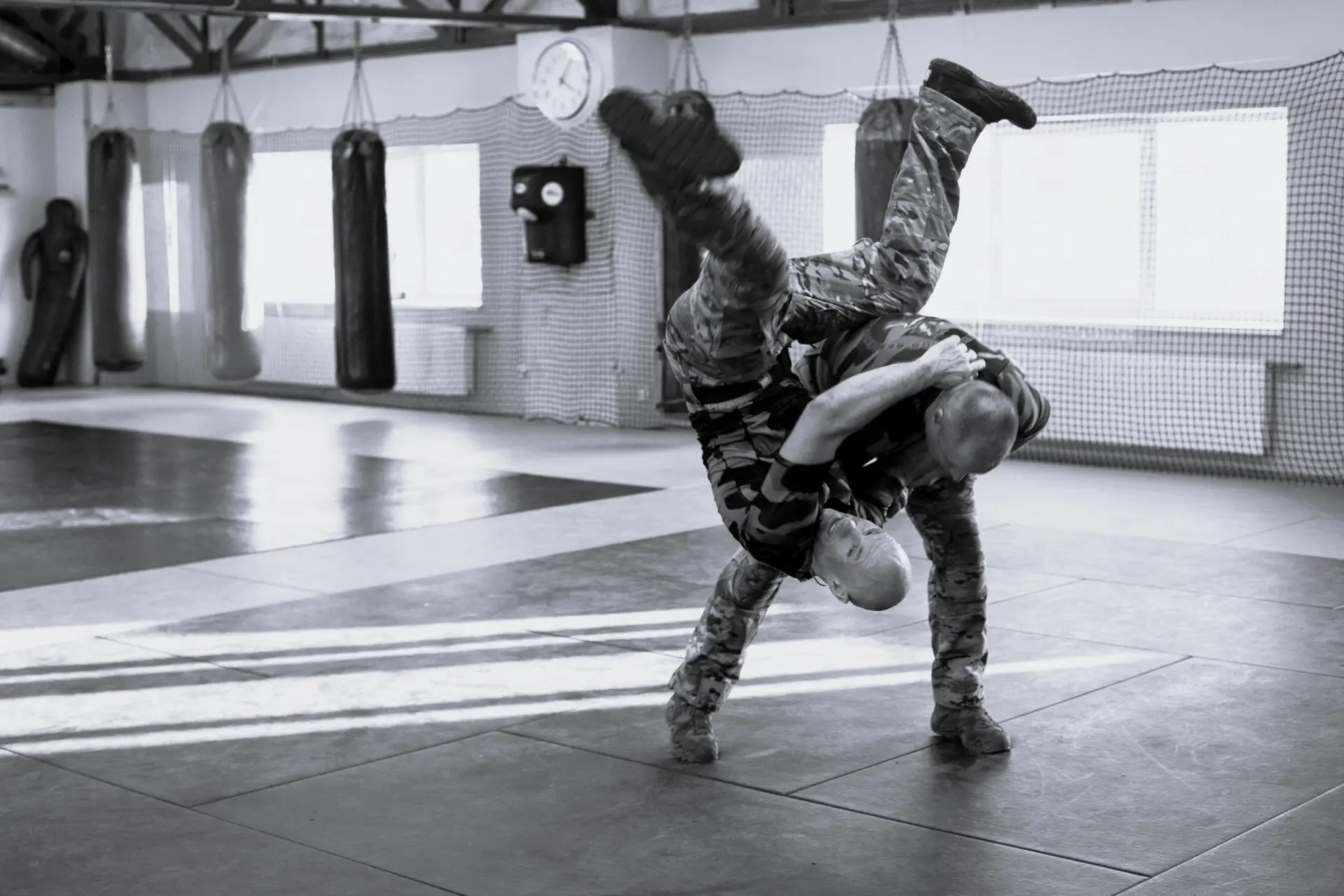
A technique that works on a mat doesn’t work in a 60cm aisle, a train vestibule, or a ship’s galley. Our instructors with backgrounds in military close-combat training, including Savbor-affiliated methodology and Israeli Krav Maga (IKMA) lineage build every programme around the specific physical and legal constraints of the environment it’s delivered in.
Looking for individual or personal training instead of an institutional programme? The best time to learn how to protect yourself was before you needed to – the next best time is now.
Courses of CQC & Self-Defense

Research & Insights
Bystander Intervention
Eleven Minutes: What Police Timelines Reveal About the Gap Between an Attack and a Response What documented cases show about the interval when only the people already on scene can change the outcome At 7:39 p.m. on the evening of November 1, 2025, Cambridgeshire police received the first emergency call reporting a stabbing aboard a London-bound express
Victim Perspective
“I Could Not Leave My Cab”: What Transport Workers Say When They Describe the Moment It Turned Physical First-hand accounts from crew who have lived through the incidents behind the statistics Kiyya Rivera had worked as a New York City subway conductor for nearly four years before anything like it happened to her. On a rush-hour morning,
Frontline Crew Violence
The Unseen Front Line: Why Violence Against Transport Crews Is Becoming a Boardroom Problem A look at the data behind a trend the travel industry can no longer treat as a public-relations issue On a regional express train pulling out of Landstuhl station in southwestern Germany on the evening of February 2, 2026, a 36-year-old conductor asked